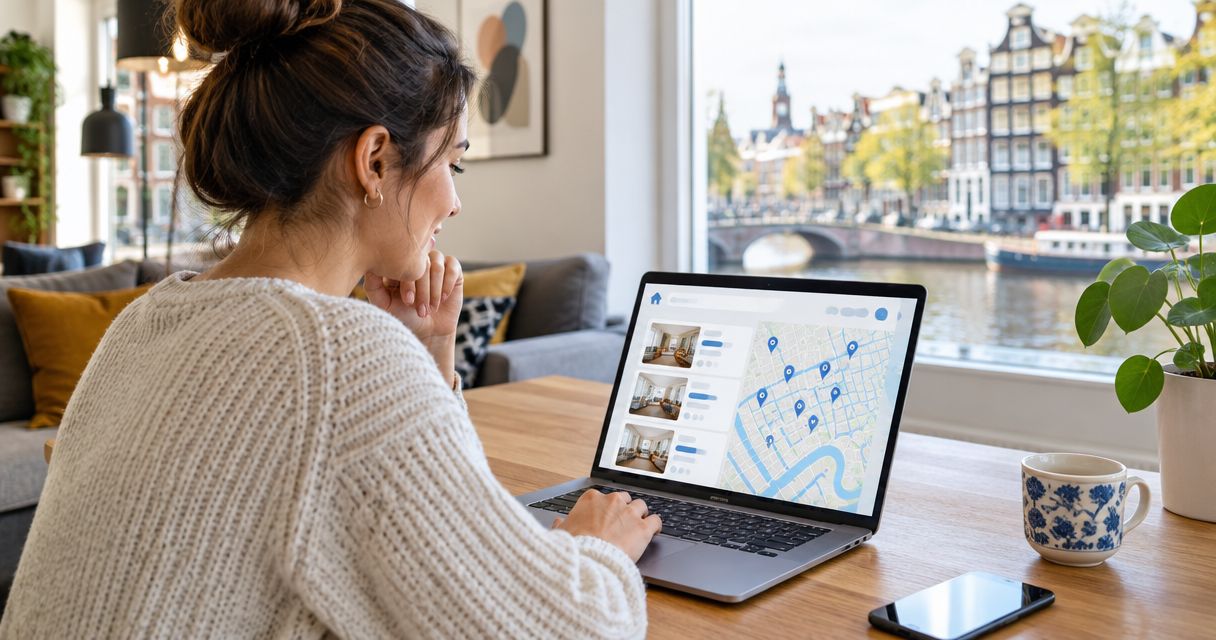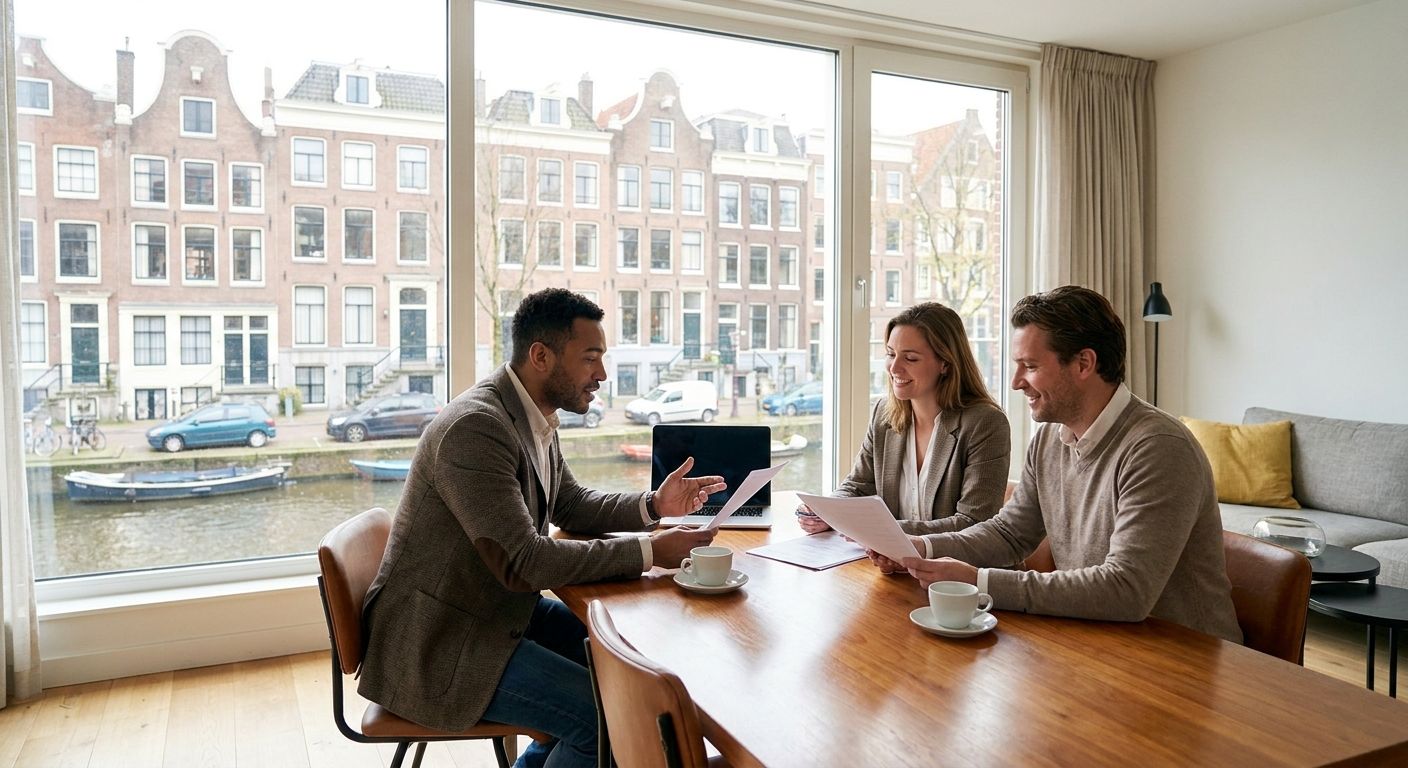
Negotiating a lease as a foreigner in the Netherlands isn't about haggling on rent — in most Dutch cities landlords won't move on the sticker price. It's about winning on paperwork speed, deposit terms, and move-in flexibility while everyone else applying is still assembling documents.
- Negotiate a lease as a foreigner in the Netherlands by leading with paperwork, not price — landlords in 2026 rarely drop rent but often flex on deposit and move-in date.
- Dutch law under the Wet goed verhuurderschap caps most security deposits at two months' rent — quote it if a landlord asks for more.
- Income proof of roughly three times the monthly rent, a signed employment contract, and a guarantor letter beat a higher bid every time.
- Relocify Plus negotiates and signs on your behalf when you can't be in the Netherlands to close the deal yourself.
Why this matters
Dutch rental demand in 2026 still outstrips supply in Amsterdam, Utrecht, Rotterdam, and The Hague, and landlords or agents lean toward whoever can sign fastest with the cleanest file. Foreigners lose out not because of nationality but because they show up without a Dutch bank account, a translated employment contract, or a clear answer on when they can move in.
The negotiation that matters happens before you ever discuss rent: getting your documents in order so you're the applicant an agent doesn't have to chase. Once you're shortlisted, the actual leverage sits in three places — deposit size, contract length, and who's responsible for repairs and furnishing. Rent itself is the least negotiable line item in most 2026 Dutch listings.
What you'll need
- A signed employment contract or an offer letter stating gross monthly salary
- Proof of income showing roughly three times the monthly rent (payslips or an employer letter)
- A copy of your passport or ID and, if you have one, your BSN (citizen service number)
- A Dutch or EU bank account, or a clear plan to open one within your first week
- A guarantor letter if you're on a probation period, freelance, or newly employed
- Reference letter from a previous landlord, translated to English or Dutch if requested
- Recording or notes from a renting an apartment in the Netherlands as an expat walkthrough so you know what a normal Dutch lease looks like before you negotiate one
Start building this folder before you book your first viewing. Agents in 2026 routinely ask for a complete document set within 24 hours of a viewing, and the applicant who has it ready wins the apartment before negotiation even starts.
The steps
1. Build your file before you view, not after
A complete document set is your biggest negotiating chip. Agencies managing dozens of applications default to whoever responds fastest with everything attached — passport, income proof, employment contract, and bank details in one message. Missing this step means you're negotiating from behind before the conversation starts. Common mistake: sending documents one at a time over several emails instead of a single organized packet.
2. Identify the contract type before you negotiate anything
Dutch leases are either fixed-term (bepaalde tijd) or indefinite (onbepaalde tijd), and the rules on ending early differ sharply between them. Ask directly whether the unit falls in the regulated or liberalized rent sector — regulated units have rent caps tied to a points system, liberalized units don't. Knowing which one you're looking at tells you whether rent is even a lever worth pulling. Expected outcome: you know within the first email exchange whether you're negotiating terms or just accepting a fixed number.
3. Negotiate move-in date and lease length before rent
Landlords will often shift a move-in date by one to two weeks or extend an initial term from 12 to 24 months in exchange for a fast, clean signature — that flexibility is worth more to you than a small rent discount. If you're arriving from abroad, ask for a start date that overlaps with your visa or work permit timeline rather than fighting on price. Common mistake: pushing hard on rent and losing the unit to an applicant who simply agreed to the landlord's preferred timeline.
4. Push back on deposit size using the law, not opinion
Under the Wet goed verhuurderschap, most private landlords in the Netherlands cannot legally demand more than two months' rent as a security deposit. If an agent asks for three or four months upfront, cite the rule directly and ask for the standard two-month figure in writing. This single step recovers real cash — on a €1,800/month unit, the difference between two and four months' deposit is €3,600.
5. Get repair and maintenance responsibilities written into the contract
Dutch leases often leave small maintenance items ambiguous — who fixes a broken dishwasher, who pays for a boiler service. Ask for a written addendum listing landlord versus tenant responsibilities before you sign, especially for furnished units where appliances change hands with the keys. Expected outcome: a one-paragraph addendum that prevents a €200+ dispute six months into the lease. Common mistake: accepting a verbal promise instead of contract language.
6. Use a local point of contact if Dutch is a barrier
Many Dutch lease contracts are still issued in Dutch only, even for units marketed to internationals. A local negotiator, translator, or a platform that reviews the document with you catches clauses a translation app misses — indexation terms, notice periods, subletting bans. This step matters most on liberalized-sector contracts, where landlords have more room to add non-standard clauses.
7. Verify everything in writing before you sign
Before signing, confirm rent, deposit amount, included utilities, contract start and end dates, and notice period all match what was verbally agreed. Dutch tenant notice periods are commonly one month; landlord notice periods vary by contract type and can run much longer. Expected outcome: no surprises on the final PDF. Common mistake: signing a contract that arrived in a different format from the one negotiated over email.
8. Sign remotely if you're still outside the Netherlands
You don't need to be physically present to close a Dutch lease in 2026. Digital signing, virtual walkthroughs, and remote document verification let you finalize a contract before you land, which strengthens your negotiating position because you can respond to an agent's timeline instantly instead of on a multi-day delay. Relocify supports this exact flow for internationals signing from abroad.
Sign your Dutch lease before you land
Relocify Plus negotiates terms and handles paperwork so you don't have to fly in first.
Troubleshooting
The landlord demands three or four months' deposit. Point to the Wet goed verhuurderschap two-month cap and ask for the standard figure in writing before you send any money — most agencies correct this immediately once challenged.
You don't have a Dutch guarantor. Offer a larger deposit (still capped at two months), an employer letter guaranteeing salary, or work through a relocation company for expats moving to the Netherlands that can vouch for your file.
You're competing against local applicants who can view in person. Request a virtual tour and offer to sign digitally within 24 hours of approval — speed offsets the in-person disadvantage in most 2026 listings.
The contract is only in Dutch. Ask for an English summary of key clauses or have a local contact review it before you sign; never sign a document you can't read in full.
Your income proof doesn't hit three times the rent. Add a guarantor letter or six months of bank statements showing savings — agencies will often accept either as a substitute.
The agent goes silent for days. Follow up once at 48 hours, then move to the next listing — in a market this tight, waiting past that window usually means the unit is gone.
Tools and resources
- Your employment contract and payslips, ready as PDFs
- A translated or notarized landlord reference if you're coming from outside the EU
- A guide on choosing an area to live in as an expat in the Netherlands so you're not negotiating for a neighborhood that doesn't fit your commute or budget
- A digital signing tool your landlord or agent accepts
- Relocify's virtual tour and remote-signing flow for applicants negotiating from abroad
What to do next
Once you've got a contract you're comfortable negotiating, the next decision is where in the Netherlands to focus your search. Read through the full breakdown on renting an apartment in the Netherlands as an expat before you commit to a specific listing.
FAQ
Can I negotiate rent on a Dutch apartment as a foreigner?
Rent itself rarely moves in the Netherlands, especially in Amsterdam, Utrecht, and Rotterdam in 2026, because demand outstrips supply. You'll get more traction negotiating deposit size, move-in date, and contract length than the headline rent figure.
How much deposit can a Dutch landlord legally ask for?
Under the Wet goed verhuurderschap, most private landlords cannot demand more than two months' rent as a security deposit. If an agent asks for more, cite the law and request the standard amount in writing.
Do I need a Dutch bank account to sign a lease?
Not always at signing, but landlords expect one shortly after move-in for rent payments. Having an EU bank account or a plan to open a Dutch one within your first week strengthens your application.
What income proof do Dutch landlords expect from expats?
Most landlords want proof of income around three times the monthly rent, shown through payslips or an employer letter. Without it, a guarantor letter or several months of bank statements can substitute.
Can I sign a Dutch lease without being in the Netherlands?
Yes, digital signing and virtual tours let internationals close a lease before landing in 2026. This also speeds up negotiation since you can respond to an agent's timeline immediately.
Is it better to negotiate directly with a landlord or through an agency?
Agencies tend to have more standardized processes and are quicker to correct deposit or contract errors when challenged with the law. Direct landlords can be more flexible on move-in date but slower to respond.
What's the biggest mistake foreigners make negotiating a Dutch lease?
Focusing on rent instead of paperwork speed. Agencies in the Netherlands's tight 2026 market prioritize the applicant with a complete, fast document set over the one offering a slightly higher price.
How long are standard Dutch lease terms?
Fixed-term contracts commonly run 12 months with renewal options, while indefinite contracts have no set end date and different notice rules. Confirm which type you're signing before negotiating length or exit terms.
One last thing
The two-month deposit cap under the Wet goed verhuverdverschap is still one of the least-used negotiating points among foreign renters in 2026 — most simply pay whatever an agent quotes because they don't know the rule exists. Ask for it in writing every time; it's a legal floor, not a favor.