Retiring in the Netherlands works differently depending on your passport: EU, EEA, and Swiss citizens move freely and only need to register with a municipality, while non-EU retirees generally need a residence permit route — and the Netherlands has no dedicated "retirement visa" category. The two workable non-EU paths in 2026 are family reunification and, for US citizens, the Dutch-American Friendship Treaty (DAFT), which requires a minimum business investment of €4,500.
- EU/EEA/Swiss retirees need zero residence permit — just municipal registration within 5 days of arrival.
- Non-EU retirees without family ties usually rely on DAFT (US citizens only) or family reunification — there is no standalone retirement visa.
- A BSN is required before you can sign a lease, open a bank account, or register with a GP in 2026.
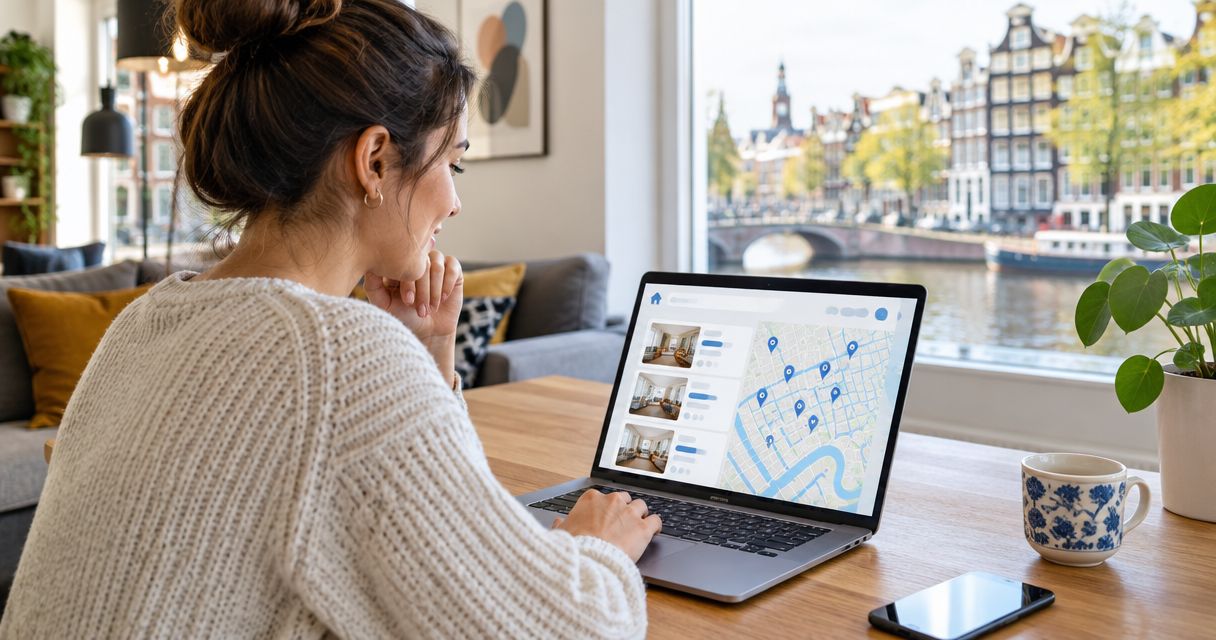
- Relocify lets retirees view Dutch rentals remotely and sign leases before landing, which matters most for the non-EU family reunification route.
Why this matters
Most retiree relocation guides for the Netherlands copy generic EU free-movement advice and skip the part that actually stalls non-EU retirees: there is no Dutch equivalent of Portugal's D7 visa or Spain's non-lucrative visa built for pensioners. Get the legal route wrong and you'll spend months on paperwork before you ever look at a rental listing. Get it right, and the housing side — the part Relocify actually solves — moves fast.
How to relocate to the Netherlands as a retiree
The process runs through four steps regardless of nationality, though step one branches hard depending on your passport:
- Confirm your legal basis to stay. EU/EEA/Swiss citizens: none required beyond registration. Non-EU citizens: confirm eligibility for DAFT, family reunification, or another permit category before booking flights.
- Secure a Dutch address. You need a signed lease or purchase agreement to complete municipal registration — this is the step that blocks everything else if you're still house-hunting from abroad.
- Register with the municipality (gemeente) and get a BSN. Anyone staying longer than four months must register within 5 days of arrival; the BSN issued at that appointment unlocks banking, healthcare, and utilities.
- Arrange Dutch-compliant health coverage. Whether you need Dutch basic insurance (basisverzekering) or international private cover depends on whether you're drawing Dutch income or purely a foreign pension.
Retirees relocating to the Netherlands in 2026 often lock in retiree apartments in the Netherlands before their permit paperwork clears, since a signed lease is required for municipal registration either way.
Legal routes compared
| Route | Who it's for | Verdict |
|---|---|---|
| EU/EEA/Swiss free movement | EU, EEA, and Swiss passport holders | Best for most European retirees — no permit needed |
| Family reunification | Retirees joining a Dutch or EU partner, or an adult child | Best for the fastest non-EU route when family ties exist |
| Dutch-American Friendship Treaty (DAFT) | US citizens willing to register as self-employed with €4,500 minimum investment | Best for the only formal non-EU path without family ties |
| Independent-means residence | Non-EU retirees with no family ties and no DAFT eligibility | Hardest — the Netherlands rarely grants standalone retirement permits on income alone |
EU/EEA retirees: no residence permit needed
If you hold an EU, EEA, or Swiss passport, you don't apply for anything before moving. You register with the local municipality once you arrive, provide proof of address (your signed lease), and receive a BSN on the spot or within days. The whole legal side of an EU retiree's relocation is a formality — the actual bottleneck is finding and signing a lease before you land, since Dutch landlords and agencies routinely reject applications from renters who can't view a property in person or provide local references.
That's the gap remote-viewing tools close: virtual tours and remote lease signing let EU retirees lock housing down before the flight, so the municipal appointment isn't delayed by an empty address field.
Non-EU retirees: residence permit routes
Non-EU retirees face a narrower set of options because the Netherlands never built a pensioner-specific visa the way Portugal or Spain did. Two routes see actual approvals:
- Family reunification — joining a partner or adult child who already holds Dutch or EU residency. This is the most common non-EU retiree route in practice.
- DAFT (US citizens only) — registering as self-employed in the Netherlands with a minimum business investment of €4,500. It's technically a self-employment permit, not a retirement permit, but it's the closest thing available to a non-EU American retiree without family ties.
- Independent-means residence — exists on paper but is granted rarely and inconsistently; the Netherlands is not a country that markets itself to retirees the way some EU neighbors do.
If you're a non-EU retiree and none of these apply, relocating to the Netherlands specifically for retirement is not currently a straightforward option — worth confirming with an immigration lawyer before you commit to a housing search.
Why the process varies
- Nationality — EU/EEA/Swiss vs. non-EU determines whether you need a permit at all.
- Family ties in the Netherlands — a Dutch or EU partner or adult child opens the family reunification route non-EU retirees otherwise lack.
- Source of income — foreign pension income vs. Dutch-sourced income changes your health insurance obligations.
- US citizenship specifically — DAFT is a treaty benefit unavailable to other non-EU nationalities.
- Whether you already have a signed lease — municipal registration and BSN issuance both require a Dutch address on file.
Find a Dutch rental before you relocate
View listings remotely and sign a lease before you land in the Netherlands.
Where should retirees live in the Netherlands?
The answer depends on pace of life and proximity to healthcare and family, not just price — quieter provincial cities and coastal towns draw retirees who want space and lower density over central Amsterdam or Rotterdam. Retirees weighing specific towns and neighborhoods should check neighborhoods built around retiree priorities before committing to a lease, since walkability, GP access, and quiet streets matter more here than they do for working-age relocators.
Do retirees need a BSN before signing a lease?
A BSN is not required to sign the lease itself, but it is required almost immediately after for banking, healthcare registration, and utilities setup — so retirees should treat it as day-one priority, not paperwork to get to eventually.
Can retirees get Dutch health insurance?
Dutch basic insurance (basisverzekering) is mandatory only for residents who work in the Netherlands or draw Dutch-sourced income; retirees living purely on a foreign pension often need international private coverage instead, and the requirement depends on your specific residency route.
FAQ
Can retirees get a residence permit in the Netherlands?
EU, EEA, and Swiss retirees don't need one at all in 2026 — they just register with the municipality. Non-EU retirees generally need family reunification or, for US citizens, the DAFT self-employment route, since no dedicated retirement permit exists.
Is there a retirement visa for the Netherlands?
No, the Netherlands does not offer a standalone retirement visa the way Portugal or Spain do. Non-EU retirees rely instead on family reunification or treaty-based routes like DAFT.
Do retirees need Dutch health insurance to move to the Netherlands?
Dutch basic insurance is mandatory only if you have Dutch-sourced income or employment; retirees living on a foreign pension typically need international private health coverage instead.
Can a US retiree move to the Netherlands using DAFT?
Yes, US citizens can use the Dutch-American Friendship Treaty by registering as self-employed with a minimum business investment of €4,500. It's a self-employment permit rather than a retirement permit, but it's the main formal non-EU route available to Americans.
How long can EU retirees stay in the Netherlands without registering?
Anyone staying longer than four months must register with the municipality within 5 days of arrival, regardless of EU status. Shorter stays don't require registration.
Do retirees need a BSN to rent an apartment in the Netherlands?
You can sign a lease before receiving a BSN, but the BSN is required almost immediately after for banking, healthcare, and utilities. Most retirees get theirs at the same municipal appointment where they register their address.
Can retirees sign a Dutch lease without visiting the property in person?
Yes, remote viewing and remote lease signing are standard tools for international renters in 2026, including retirees relocating from outside Europe. This matters most for non-EU retirees who need a signed lease on file before their permit or municipal registration can move forward.
One last thing
The part retirees underestimate isn't the legal route — it's that a signed Dutch lease is a prerequisite for municipal registration, not a nice-to-have you sort out after arriving. Retirees who land without an address on file lose days at the gemeente waiting on paperwork that a remote lease signing could have closed before the flight.