International movers for shipping household goods to the Netherlands are companies that pack, transport, and deliver your furniture, boxes, and personal belongings from your home country to a Dutch address, using sea freight, air freight, or road transport depending on volume, budget, and how fast you need to arrive. Internationals moving to the Netherlands run into a problem local movers on either end rarely flag: most shipments need a confirmed Dutch delivery address before a mover will even lock in a booking date, and Dutch lease timelines don't wait around for a six-week ocean crossing.
- Sea freight to the Netherlands runs six to ten weeks door-to-door; air freight arrives in days but costs far more per kg.
- EU customs waives import duty on used household goods owned at least six months, imported within 12 months of registering your Dutch address.
- Book international movers Netherlands household goods shipments only after your lease is signed, not before.
- Full container load suits complete households; less-than-container load suits smaller shipments on a budget.
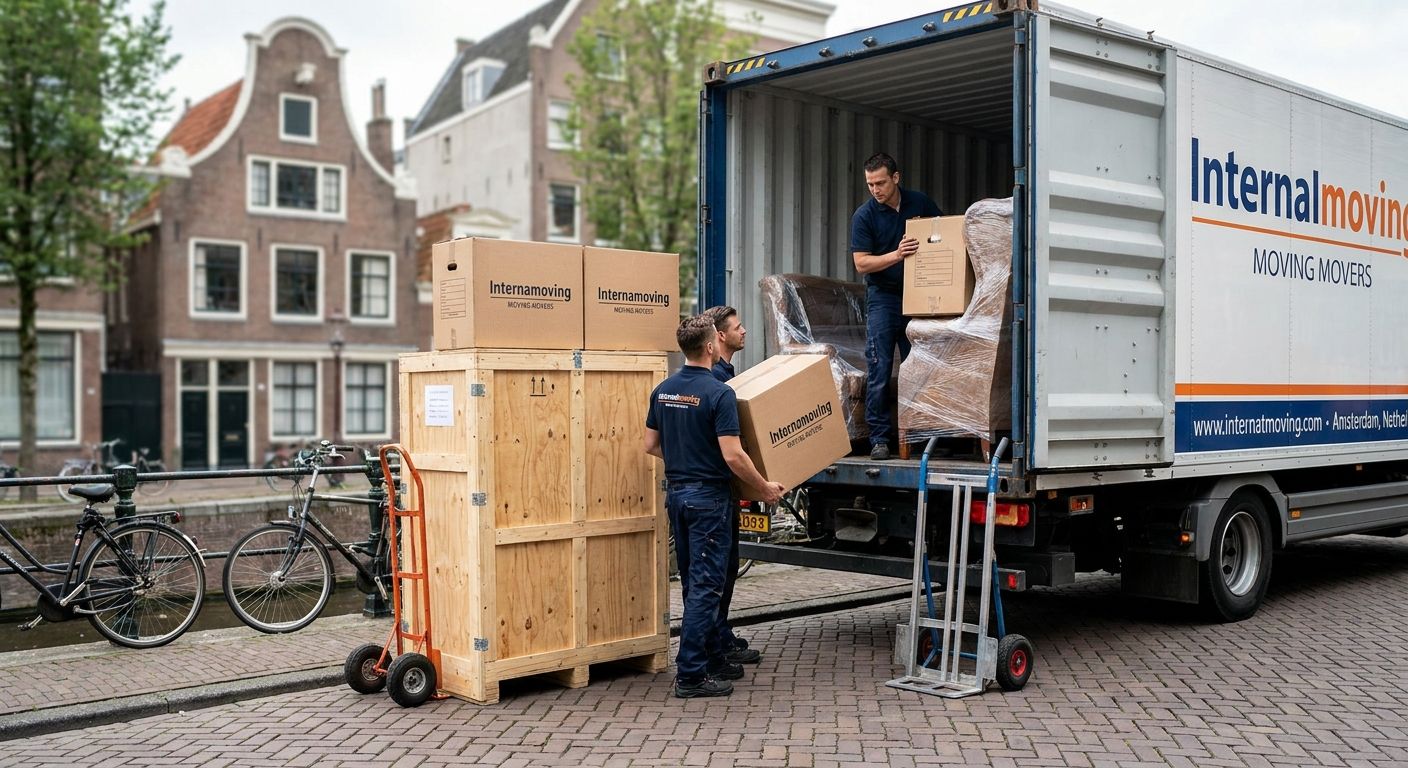
- Narrow Dutch staircases and canal-house entrances are the most common cause of delivery-day surcharges.
Why international movers matter for people relocating to the Netherlands
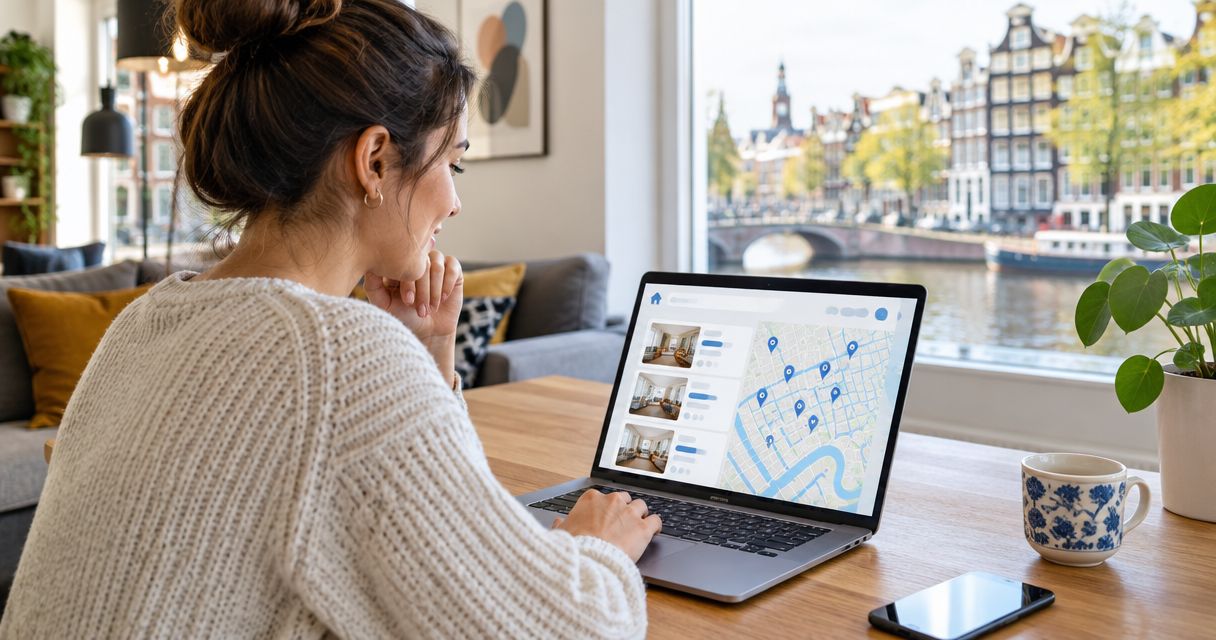
A Dutch lease often has a move-in date fixed within days of signing, and landlords rarely hold an apartment open for more than a few weeks after approving a tenant. That timeline collides directly with a shipping process that can take two to three months by sea. If you book a mover before you have a signed lease and a real address, you risk paying for storage you didn't plan for or missing your own move-in window.
Non-EU nationals carry an extra layer: Dutch customs (Belastingdienst) generally wants a registered address, and often a BSN, tied to the import declaration before household goods clear. Housing search tools like Relocify exist precisely because signing a lease remotely, before you've even landed, is what makes the rest of the moving timeline workable. Get the address locked first. Everything else, including the mover, plans around it.
How to book international movers for shipping household goods to the Netherlands
Inventory your household goods before requesting quotes
Movers price by volume, so a clean inventory saves money and prevents surprise charges on delivery day.
- List belongings by room, not by box count
- Flag fragile or high-value items for separate insurance
- Decide what to sell or donate instead of ship — items owned less than six months lose the duty-free import benefit anyway
- Photograph valuable items before pickup for customs and insurance records
- Check Dutch customs restrictions on plants, certain foods, and weapons before packing them
Choose your shipping method based on timeline and volume
The method you pick drives cost, transit time, and how soon you need your Dutch address confirmed.
- Full container load (FCL) sea freight for a complete household moving long distance
- Less-than-container load (LCL) sea freight for smaller shipments sharing container space with other households
- Air freight for essentials only when your visa or lease deadline is tight
- Road or van freight for moves within Europe, typically days rather than weeks
- Excess baggage shipping for internationals arriving with minimal belongings
Request and compare quotes from at least three movers
Quotes vary widely on what's actually included, so line-item comparisons matter more than the headline number.
- Ask for a video or in-home volumetric survey, not a phone estimate
- Request a breakdown of freight, customs clearance, and final delivery separately
- Confirm whether the quote is door-to-door or port-to-port — port-to-port leaves you arranging Dutch customs clearance yourself
- Check how many years the company has operated routes into the Netherlands specifically
- Ask what happens if your Dutch delivery address isn't confirmed yet when the shipment ships
Handle Dutch customs and import paperwork
Customs is where non-EU shipments stall, usually because paperwork wasn't lined up before the goods left.
- Non-EU citizens generally need a Dutch import declaration filed before goods arrive
- EU rules allow duty-free import of used household goods you've owned and used for at least six months, provided they enter within 12 months of registering your new Dutch address
- Provide your customs broker with proof of address or BSN registration as early as possible — see the guide on getting a BSN before renting for the sequencing
- Keep your residence permit or visa status aligned with your shipment's arrival window, especially on non-EU passports
Time your shipment around your lease, not the other way around
Booking the mover before the lease is the single most common sequencing error internationals make.
- Sign your lease and confirm a move-in date before you book a mover — signing a Dutch lease without visiting the property is now routine for internationals doing this remotely
- Add one to two weeks of buffer to any quoted sea freight window
- Confirm your building allows evening or weekend deliveries — this varies a lot by Dutch municipality
- Check whether your new address has narrow stairwells or no elevator, common in older canal houses, before delivery day
Arrange storage if goods arrive before your address is ready
Shipments and leases rarely land on the same day, so build storage into the plan rather than treating it as a fallback.
- Ask your mover about destination warehousing or bonded storage in the Netherlands
- Compare cost per cubic meter per week against the cost of simply delaying the shipment
- Confirm your insurance policy still covers goods while in storage
- Fold storage costs into your overall relocation budget
Insure your shipment properly
Standard mover liability is usually calculated by weight, not by item value, which under-covers anything expensive or irreplaceable.
- Check the mover's default liability limit per kilogram before assuming you're covered
- Buy supplemental all-risk marine insurance for anything you can't easily replace
- Photograph and document item condition before pickup
- Confirm the claims window in your contract and file promptly if damage occurs
Prepare for delivery day in the Netherlands
Delivery-day surprises are almost always access problems, not shipping problems.
- Confirm whether the truck needs a parking permit near your address — many Dutch cities require one
- Have your lease or proof of address ready for the crew and, if applicable, customs
- Check elevator access, stair width, and door dimensions in advance
- Pack a few days of essentials and key documents separately from the main shipment in case of delay
Lock in a Dutch address first
Search and sign a lease remotely before you book your shipment.
Comparing your shipping options
| Option | Best for | Key limitation |
|---|---|---|
| Full container load (FCL) | Complete households moving long distance | Slowest option, six to ten week transit |
| Less-than-container load (LCL) | Smaller shipments on a tighter budget | Longer dwell time waiting for the container to fill |
| Air freight | Essentials only, tight visa or lease deadlines | High cost per kg and per cubic meter |
| Road or van freight | Moves within Europe | Not viable for intercontinental relocations |
| Self-pack container | Movers who want to control cost | You handle loading and customs paperwork yourself |
Verdict: full container load wins for a complete household move outside Europe; air freight is the right call only when your Dutch lease start date can't absorb a two-month wait.
Common mistakes internationals make when shipping household goods to the Netherlands
- Booking a mover before securing a lease — the shipment ends up with nowhere confirmed to deliver, forcing paid storage
- Missing the 12-month duty-free import window for non-EU shipments, triggering import duty on goods that qualified for exemption
- Ignoring building access — narrow Dutch staircases, no elevators, and canal-house entrances are the top cause of delivery surcharges
- Relying on basic mover liability instead of buying real insurance on anything genuinely valuable
- Shipping oversized furniture that doesn't fit typical Dutch apartment floor plans, leading to costly returns or disposal
FAQ
What's the best way to ship household goods to the Netherlands?
Full container load sea freight is the standard choice for a complete household moving from outside Europe, typically taking six to ten weeks door-to-door. Air freight is faster but priced per kilogram, so it works best for essentials only.
How long does international shipping to the Netherlands take?
Sea freight generally takes six to ten weeks depending on the origin port and whether it's a full or shared container. Air freight arrives in days but costs significantly more per kilogram or cubic meter.
Do I have to pay import duty on my household goods moving to the Netherlands?
Used household goods owned and used for at least six months are generally exempt from import duty if they enter within 12 months of registering your new Dutch address. Newer items or shipments outside that window typically don't qualify.
Is air freight or sea freight better for a Netherlands relocation?
Sea freight is cheaper for full households and standard for most relocations. Air freight only makes sense when a visa deadline or lease start date can't absorb the two-month sea transit.
Can I ship my goods before I have signed a Dutch lease?
You can, but most movers and Dutch customs prefer a confirmed delivery address before shipment, and you risk paying for storage if your lease isn't finalized when the goods arrive. Signing your lease first avoids that cost.
How much notice do international movers need for a Netherlands move?
Most international movers ask for several weeks' notice to schedule a survey, book freight capacity, and prepare customs paperwork. Non-EU shipments need extra lead time for import declarations.
Do non-EU citizens need a BSN before importing household goods?
Many customs processes and delivery confirmations run more smoothly with a registered address and BSN in hand, though requirements vary by situation. Getting your BSN process started early avoids delays at the customs stage.
What happens if my shipment arrives before my Dutch apartment is ready?
Most international movers offer destination warehousing or bonded storage for this exact situation, billed by cubic meter per week. Confirm your insurance still applies while goods sit in storage.
One last thing
Most people planning international movers Netherlands household goods logistics start with the mover. That's backwards. Dutch customs, and most reputable movers, want a confirmed delivery address before they'll lock in a shipping date, and a Dutch lease rarely stays open long enough to wait out a six-week ocean crossing booked on spec. Sign the lease, then book the container — not the other way around.