Relocating to the Netherlands as a healthcare professional runs on three simultaneous tracks: BIG-register credentialing, a residence and work permit route matched to your nationality, and a signed Dutch rental lease. Most hospitals and staffing agencies won't finalize your BIG appointment or start your contract without a Dutch address on file, which reverses the order most general relocation guides describe. EU/EEA nurses, GPs, and specialists skip the work-permit step entirely; non-EU healthcare workers typically enter through the highly skilled migrant scheme or an employer-sponsored health-sector permit.
- How to relocate to the Netherlands as a healthcare professional in 2026 starts with running BIG-register credentialing, permit approval, and Dutch housing in parallel, not in sequence.
- EU/EEA nurses, GPs, and specialists need no work permit; non-EU healthcare workers usually need an employer-sponsored highly skilled migrant or health-sector permit.
- Dutch municipalities require BRP registration within 5 days of arrival, and that registration needs a signed lease address on file.
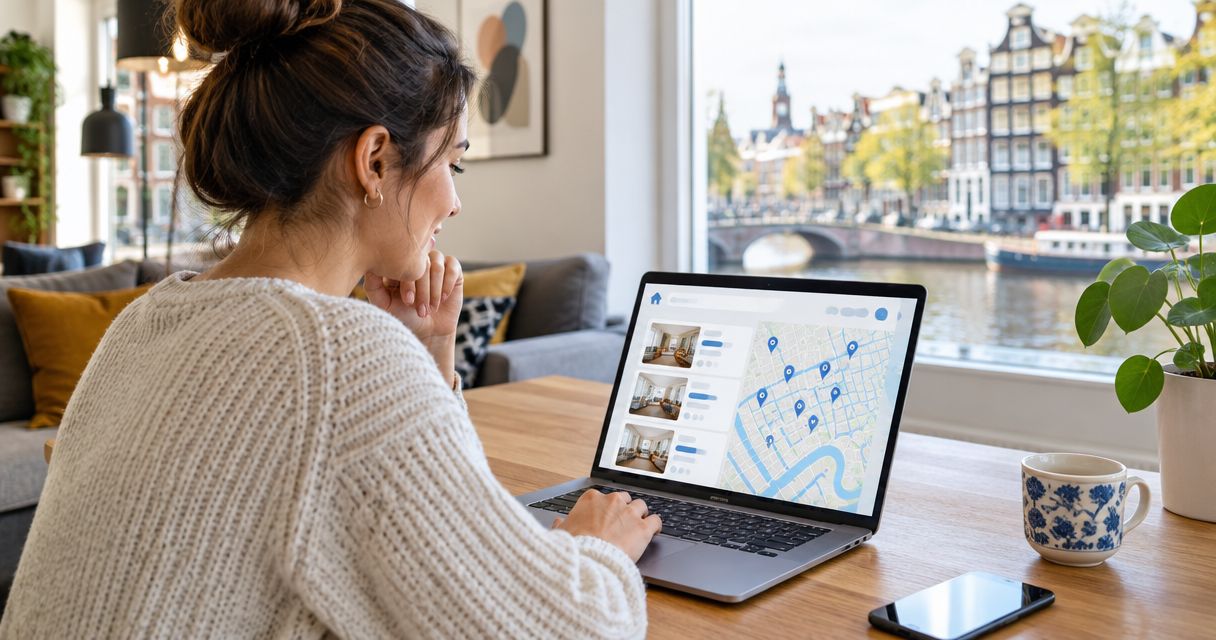
- Relocify Search lets healthcare workers view and sign a Dutch rental remotely, so housing is settled before the BIG appointment instead of after it.
Why this matters
Healthcare recruiters move fast once you accept an offer at a Dutch hospital, GGZ institution, or home-care agency, and the visa, BIG, and housing steps are meant to overlap. The general relocation guide for new hires covers standard employer paperwork; healthcare relocation adds BIG-register credentialing and, often, a hard housing deadline set by the hospital's HR team. Rotterdam, Zwolle, and Maastricht carry heavy shift-based hospital staffing, and candidates who can view and sign a lease remotely before their start date get through onboarding without a hotel bill eating their first paycheck in 2026.
Getting this wrong costs weeks, not days. A BIG appointment booked before you have a BRP address on file gets pushed back, and a pushed-back BIG date can delay your first paid shift.
How to relocate to the Netherlands as a healthcare professional
The sequence below applies to nurses, GPs, specialists, allied health professionals, and locums moving to the Netherlands in 2026, regardless of nationality:
- Confirm your credential pathway. Nurses, doctors, dentists, pharmacists, and midwives need BIG-register recognition before they can practice under a protected title; check which document set your specialty requires.
- Match your permit route to your nationality. EU/EEA and Swiss citizens need no work permit. Non-EU healthcare workers typically move through the highly skilled migrant scheme or a health-sector-specific residence permit sponsored by the employer.
- Line up Dutch housing before your BIG appointment, not after your start date. Cities with major hospitals — Rotterdam for medical professionals among them — fill fast for shift-based candidates who need a lease signed remotely.
- Register with the municipality (BRP) within 5 days of arrival. This step needs your rental address, your passport or ID, and your permit documentation.
- Get a BSN and open a Dutch bank account. Your BSN is issued at BRP registration and unlocks payroll, health insurance, and most rental deposit transfers.
- Finalize your BIG registration appointment and start your contract. Once housing, BRP, and BSN are in place, the hospital or agency can complete onboarding.
EU/EEA healthcare professionals
EU/EEA and Swiss nationals skip the work-permit application entirely and move straight from job offer to BRP registration and BIG credentialing. The bottleneck for this group is almost always housing timing, since municipality registration requires a signed lease and BRP appointments book out during peak hiring months. Best for: healthcare workers with an EU/EEA passport who can travel on short notice once housing is confirmed remotely.
Non-EU healthcare professionals: highly skilled migrant or health permit
Non-EU healthcare workers generally need an employer-sponsored highly skilled migrant permit or a health-sector-specific residence permit, and the employer files the application on the candidate's behalf. Processing adds administrative lead time on top of the housing and BIG steps, so non-EU candidates benefit most from settling housing before travel rather than after landing. Best for: non-EU nurses, GPs, and specialists with a signed employment contract from a recognized Dutch employer.
Locum and shift-based healthcare workers
Locums and shift-based staff moving between hospitals or regions face the tightest housing windows, since contracts often run weeks rather than years. Zwolle's healthcare shift-worker housing options are built around this pattern — shorter leases, faster move-in, locations near hospital campuses. Best for: locums and rotating shift staff who need housing that matches contract length rather than a standard 12-month lease.
View and sign a Dutch rental remotely
Line up housing before your BIG appointment, without flying in first.
Why the timeline varies
- Nationality. EU/EEA candidates skip the work-permit stage; non-EU candidates wait on employer-filed permit processing.
- Employer type. University medical centers, GGZ trusts, and staffing agencies each move at different sponsorship speeds.
- BIG registration backlog for your specialty. Some specialties have heavier document review queues than others.
- City. Hospital-dense cities like Rotterdam and Zwolle move faster for candidates using remote viewing than cities with tighter general rental supply.
- Housing approach. Relocify Search puts the search, document review, and remote signing in your hands; Relocify Plus assigns a team to find and secure the apartment for you.
- Language and exam requirements. GPs and specialists sometimes need additional language or knowledge exams beyond BIG credentialing; nurses generally do not.
Do I need to pass a Dutch language exam to work as a nurse or GP in the Netherlands?
Nurses generally do not need a Dutch language exam for BIG registration, but GPs and some specialists may face additional language or knowledge requirements depending on their specialty. Check the exact requirement against your BIG credential category before you book travel, since this affects your realistic start date.
Can I start working before my BIG registration is finalized?
No — protected healthcare titles in the Netherlands require an active BIG registration before you can practice under that title in 2026. Some employers allow supervised or administrative work while the BIG appointment is pending, but that arrangement depends on the individual employer, not a national rule.
How fast can I find housing in the Netherlands as a healthcare worker?
How fast depends on whether you search independently or use an assisted service: Relocify Search lets you filter listings, review documents, and sign a lease remotely on your own timeline, while Relocify Plus assigns a team to shortlist and secure an apartment for you. Either route can have a lease signed before you land, which is what unlocks your BRP appointment within the 5-day window after arrival.
FAQ
How do I relocate to the Netherlands as a healthcare professional in 2026?
You confirm your BIG-register credential pathway, match your permit route to your nationality, sign Dutch housing before your BIG appointment, then register with the municipality (BRP) within 5 days of arrival. EU/EEA nationals skip the work-permit step; non-EU nurses and doctors typically need an employer-sponsored permit.
What is BIG registration and do all healthcare workers need it?
BIG registration is the Dutch register that authorizes healthcare professionals to practice under a protected title, and nurses, doctors, dentists, pharmacists, and midwives all need it. Allied health roles outside the protected-title list may not require BIG registration, so check your specific profession against the register's category list.
Can I rent a Dutch apartment before I arrive in the Netherlands?
Yes, remote viewing and remote lease signing let healthcare professionals secure housing before travel, which is often required before a hospital will confirm a BIG appointment. Relocify Search supports document review and signing from abroad, and Relocify Plus assigns a team to handle the search for you.
How long does BRP municipality registration take after moving to the Netherlands?
You must register with the municipality (BRP) within 5 days of arrival if you plan to stay longer than four months. Registration requires a signed lease address, valid ID, and your permit documentation, so housing has to be settled first.
Is the highly skilled migrant scheme available to non-EU healthcare professionals?
Yes, non-EU healthcare professionals commonly enter through the highly skilled migrant scheme or a health-sector-specific residence permit, both filed by the sponsoring employer. Processing time adds to the overall relocation timeline on top of BIG credentialing and housing steps.
Do EU healthcare workers need a work permit for the Netherlands?
No, EU/EEA and Swiss healthcare professionals do not need a work permit to work in the Netherlands. They still need BIG registration for protected titles and BRP municipality registration within 5 days of arrival.
Which Dutch cities have the most healthcare relocation activity?
Rotterdam, Zwolle, Maastricht, and Amsterdam carry heavy hospital and university medical center staffing, which drives steady rental demand from healthcare professionals. Shift-based housing near hospital campuses tends to move fastest in these cities.
What is the 30% ruling and does it apply to healthcare workers?
The 30% ruling is a Dutch tax facility for qualifying skilled migrants, and eligibility depends on salary threshold and specific-expertise rules set independently of profession. Healthcare professionals who meet the highly skilled migrant salary criteria can qualify the same way other sponsored employees do.
One last thing
The single most missed step in healthcare relocation isn't the visa or the BIG paperwork — it's sequencing. Candidates who book a BIG appointment before they have a signed lease and BRP address routinely get pushed to a later slot, which delays their first paid shift by weeks. Settle housing first, even remotely, and the rest of the 2026 relocation timeline moves in the order it's supposed to.