Listing a rental property for expat tenants in the Netherlands means publishing a compliant, English-friendly listing with photos, a virtual tour option, an energy label, and clear tenancy terms, then vetting applicants through income verification or a guarantor instead of requiring a Dutch payslip. The step landlords skip most often is the legal side: a capped deposit (2 months' rent maximum since July 2023) and non-discrimination rules that apply even when you're screening for reliability, not nationality.
- Listing a rental property for expat tenants in the Netherlands requires a compliant listing, an energy label, and non-Dutch-payslip screening options.
- Security deposits are capped at 2 months' rent under Dutch law (effective July 2023).
- New tenants must register with the municipality within 5 days of moving in for stays over 4 months.
- Aggregator platforms like Relocify surface well-documented listings to expats who already have financing and paperwork ready.
- Discrimination based on nationality or origin is illegal under Dutch equal treatment law, even in informal screening.
Why this matters
Expat tenants move faster than local renters when a listing removes friction: virtual tours instead of in-person viewings, English-language lease summaries, and screening criteria that don't assume a Dutch BSN or six months of local payslips. Landlords who ignore this lose out to properties that are ready to sign the day an expat lands a job offer.
2026 has tightened enforcement around deposit caps and anti-discrimination checks in several municipalities, and agencies that list carelessly face fines, not just slow bookings. Getting the listing right the first time is cheaper than fixing it after a complaint.
How to list a rental property for expat tenants in the Netherlands
- Get the energy label first. Dutch law requires a valid energy label (A through G) before you can legally advertise or lease a property. No label, no listing.
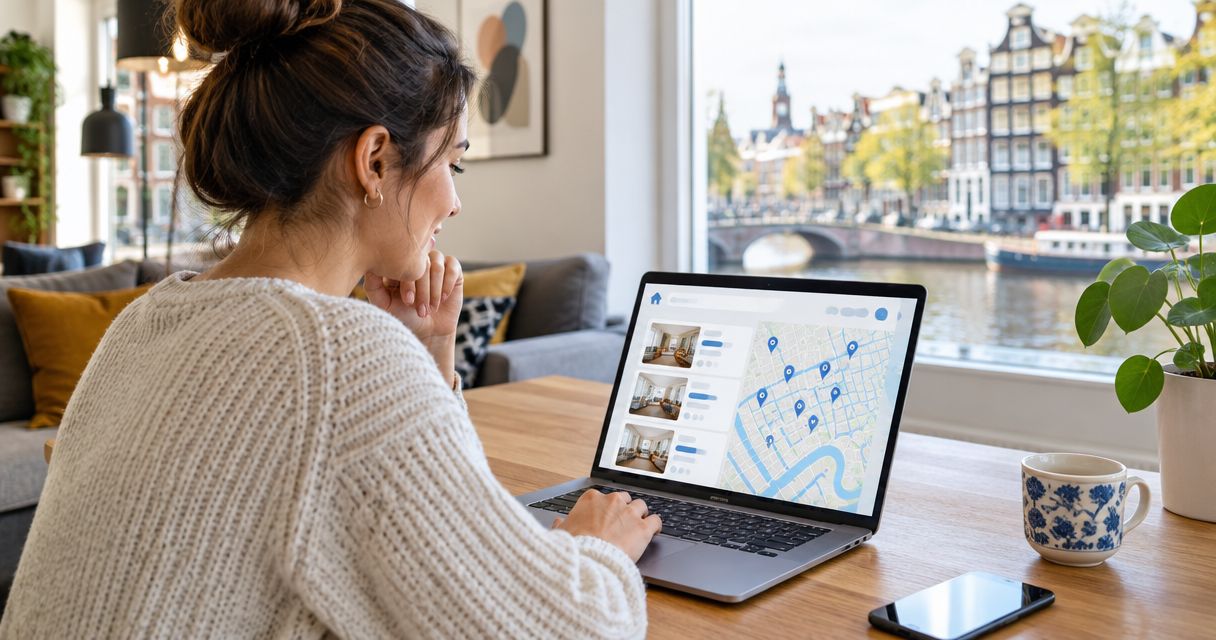
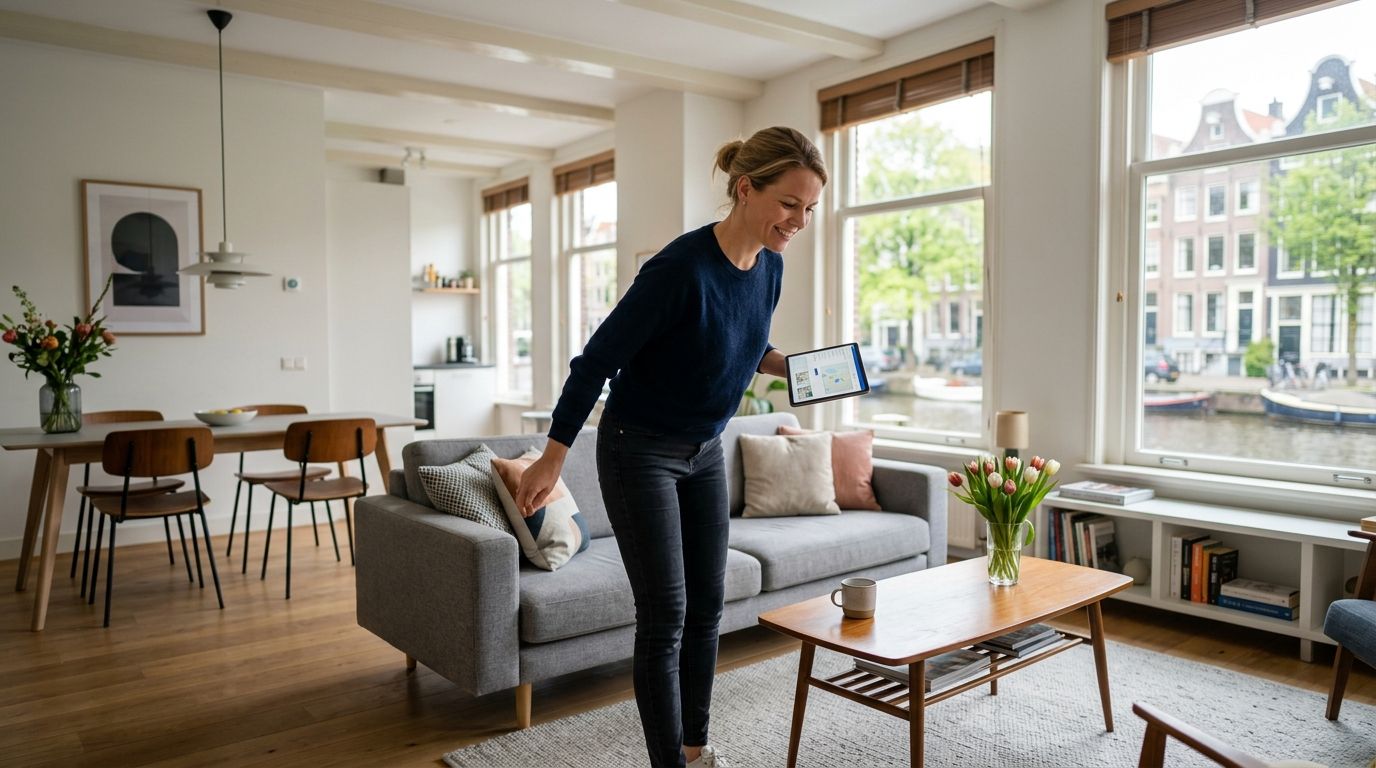
- Photograph and film for remote decision-making. Expat tenants sign leases without visiting in person more often than local renters do, so a video walkthrough or live virtual tour option matters as much as still photos.
- Write the listing in English, plainly. State furnished status, minimum lease term, deposit amount, and whether utilities are included. Vague listings get skipped by tenants working through relocation deadlines.
- Set the deposit within the legal cap. Since July 2023, Dutch law caps security deposits at 2 months' rent. Listings that ask for more get flagged by tenant-side reviewers and platforms.
- Offer alternative income verification. Non-EU tenants and recent arrivals often can't produce Dutch payslips. Accept employer offer letters, foreign bank statements, or a guarantor instead of rejecting the applicant outright.
- Confirm municipal registration support. New tenants staying more than 4 months must register their address with the municipality within 5 days of moving in. Landlords who can confirm this quickly in writing close leases faster.
- List on channels expats actually use. Local classifieds work for Dutch renters; expats search aggregator platforms and agency networks that pull from multiple sources at once.
Deposit and screening at a glance
| Requirement | Standard rule | Why expats need it stated clearly |
|---|---|---|
| Security deposit | Capped at 2 months' rent (since July 2023) | Expats budgeting from abroad need an exact number, not a range |
| Energy label | Required before advertising | Missing labels stall listings and violate the law |
| Municipal registration | Within 5 days of move-in (stays over 4 months) | Tenants need this for BSN, bank accounts, and visas |
| Income proof | Dutch payslip is standard, but not universal | Guarantors or foreign proof avoid rejecting qualified tenants |
Why the process varies by property and landlord
- Furnished vs. unfurnished status changes who applies — furnished units draw short-term assignees, unfurnished draws long-term expats who need furniture rental services separately.
- City and district affect how fast a listing gets seen — Amsterdam and Utrecht listings compete against dozens of similar units, while smaller cities move slower but have less competition.
- Whether you use an agency or list independently changes how much screening and lease-drafting work falls on you versus a partner managing applicants.
- Tenant visa type determines how flexible income verification needs to be — highly skilled migrants and orientation-year visa holders often lack a Dutch employment history entirely.
- Corporate vs. individual tenants shift the paperwork: HR-sponsored relocations often need housing allowance documentation the tenant alone wouldn't provide.
A listing that states its deposit cap, energy label, and income-verification flexibility upfront closes faster than one that makes an expat tenant ask.
Relocify aggregates listings from housing sites and partner agencies and connects them to expats searching remotely, which means a well-documented listing gets seen by tenants who already have financing, guarantor paperwork, or a corporate housing allowance sorted before they even reach out.
Reach expat renters directly
See how listings surface to internationals searching remotely for Dutch rentals.
Do you need a Dutch bank account to rent to an expat tenant?
No, tenants can sign a lease before opening a Dutch bank account, though most landlords prefer rent to come from a local account once the tenant is settled. Many expats open a Dutch bank account before signing a lease as one of their first moves, but requiring it as a listing condition rules out tenants who haven't relocated yet.
How do you avoid rental scams when listing to expats?
Use verifiable channels and never ask for a deposit before a signed lease and viewing (in-person or virtual) are complete. Scammers impersonate real landlords on classifieds sites specifically because expat tenants can't verify a property in person, so listing through a platform that screens against rental scams protects your listing's credibility as much as the tenant's money.
Should you allow remote viewings instead of requiring an in-person visit?
Yes, remote viewings are now standard for expat tenants signing leases before their move date. A virtual tour of the property lets a tenant commit to a lease weeks before arriving in the Netherlands, which shortens vacancy time for the landlord.
FAQ
How do I list a rental property for expat tenants in the Netherlands?
List with a valid energy label, photos or video, an English-language description of deposit and lease terms, and income-verification options beyond a Dutch payslip. Publish through channels that reach expat renters specifically, not only local classifieds.
What is the maximum deposit I can charge an expat tenant?
Dutch law caps security deposits at 2 months' rent, effective since July 2023. This applies regardless of the tenant's nationality or visa status.
Do expat tenants need a Dutch guarantor to rent?
Not always, but many landlords require one when a tenant can't show Dutch income history. Employer letters, foreign bank statements, or a paid guarantor service can substitute.
Can I refuse to rent to a tenant because they're not Dutch?
No. Refusing a tenant based on nationality or origin violates Dutch equal treatment law, even when the refusal is framed as a screening preference.
Do I need to provide an energy label before listing a rental?
Yes, a valid energy label (A through G) is required by law before you can legally advertise or lease a property in the Netherlands.
How fast do expat tenants need to register with the municipality?
Tenants staying more than 4 months must register their address within 5 days of moving in. Landlords who confirm this process in writing help close leases faster.
Should I list a furnished or unfurnished property for expat tenants?
Furnished units attract short-term assignees and relocating professionals, while unfurnished units draw long-term expats who arrange their own furniture rental separately.
Is it better to list independently or through an agency?
Listing through an agency or aggregator platform reduces the screening and lease-drafting workload, since partner networks handle applicant vetting before a tenant reaches you directly.
One last thing
Most landlords lose expat applicants at the deposit question, not the price. State the 2-month cap explicitly in the listing instead of making a tenant ask, and you'll cut back-and-forth emails before the first viewing even happens.