Relocating to the Netherlands as a startup founder in 2026 means running three tracks at the same time: picking a visa route (startup visa, highly skilled migrant, or orientation year), registering with a municipality to get a BSN, and locking down housing before your registration deadline hits. Skip the housing track until you land and you'll burn weeks in short-stay apartments while a shrinking rental supply fills up around you. The founders who move fastest start the housing search from abroad, in parallel with the visa application, not after the visa clears.
- Relocating to the Netherlands as a startup founder in 2026 means running the visa application, BSN registration, and housing search in parallel, not in sequence.
- The Dutch startup visa grants a one-year initial residence permit and requires a licensed IND facilitator before you can even file.
- You need a BSN to open a Dutch bank account and sign most rental leases, and it only comes after you register a Dutch address with the municipality.
- Amsterdam and Utrecht have the tightest rental supply of any Dutch city, while Rotterdam and Eindhoven move faster for relocating founders.
- Relocify runs remote apartment viewings and lease signing for founders landing in Amsterdam, Rotterdam, or Utrecht without a house-hunting trip.
Why this matters
The Netherlands has one of the tightest rental markets in Europe, and Amsterdam, Utrecht, and Rotterdam are exactly where most startup founders land for accelerator programs, co-working hubs, or a KVK registration address. Landlords and agencies routinely reject applicants who can't view a property in person or produce a Dutch bank account and BSN on day one.
Relocify exists because of that mismatch: founders need housing before they can register with the municipality, but most systems assume you're already registered before you can rent. That's the actual bottleneck in a 2026 relocation, not the visa paperwork itself.
“If you wait until landing to start the paperwork, you'll spend your first month in a hotel instead of your office.”
How to relocate to the Netherlands as a startup founder
Here's the sequence founders actually use, including where a remote-viewing platform fits into the housing step:
- Pick your visa route first — startup visa, highly skilled migrant sponsorship, or the orientation year permit for recent graduates. Each has a different sponsor requirement and timeline, covered below.
- Line up a Dutch address before you land, even a temporary one. You need it to get a BSN before renting an apartment, and the BSN is the gate to almost everything that follows.
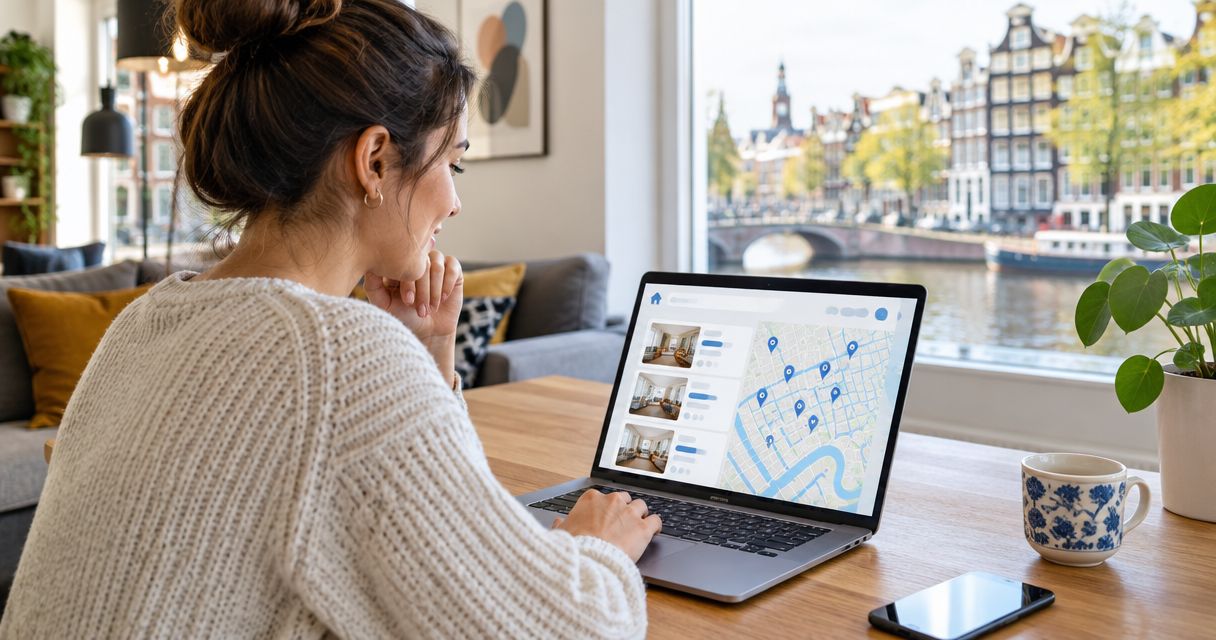
- Start the housing search from your current country. Remote video walkthroughs let you shortlist and apply for Dutch apartments before your visa is even approved, so you're not competing from a hotel room against renters already on the ground.
- Open a Dutch bank account as soon as your BSN comes through. See how to open a Dutch bank account before signing a lease for the order these two steps actually happen in — landlords want a Dutch account, not a foreign one, before they countersign.
- Register with the municipality (gemeente) within five days of moving into permanent housing to finalize your BSN and residence permit paperwork.
- Register your company (KVK) in parallel. Most visa routes require it, and some landlords ask for a KVK number as proof of local business activity when you're self-employed.
Dutch startup visa route
The Dutch startup visa is built for founders launching a new, innovative company and requires a licensed facilitator recognized by the IND to sponsor your application. It grants a one-year initial residence permit, after which most founders switch to a self-employed (zzp) permit once the business generates revenue.
Best for: solo founders or small teams without an existing Dutch employer to sponsor them. Verdict: workable, but slow — facilitator matching adds weeks before you can even file.
Highly skilled migrant route
If your company already has a Dutch entity, or a co-founder incorporates one before you arrive, you can be sponsored as a highly skilled migrant once that entity is registered with the IND as a recognized sponsor. This route moves faster than the startup visa once sponsor status is in place, because the salary threshold and paperwork are standardized rather than facilitator-dependent.
Best for: founders with Dutch revenue, a co-founder already on the ground, or funding to incorporate before relocating. Verdict: fastest track if you can pre-incorporate.
Orientation year visa route
Recent graduates of a top-ranked university, Dutch or international, within the past three years can apply for an orientation year permit. It allows you to live and work in the Netherlands, including running your own company, without a sponsor — but it's valid for one year and does not renew.
Best for: founders who graduated recently and want a no-sponsor bridge while they build traction. Verdict: best for early-stage testing, not a long-term plan.
Why the relocation timeline varies
- Visa route — startup visa facilitator matching adds weeks that highly skilled migrant sponsorship skips entirely.
- City chosen — Amsterdam and Utrecht have the tightest rental supply; Rotterdam and Eindhoven move faster, especially for teams relocating together.
- Whether you can view in person — competitive-city landlords often want same-week viewings, which rules out founders still abroad unless the viewing happens remotely.
- Family size — founders relocating with a partner and kids need larger units and school placement, both slower to lock down than a studio.
- BSN and bank account sequencing — get these out of order and your lease application stalls even after you've found a place.
- KVK registration timing — registering the company before or after arrival changes which visa paperwork can run in parallel.
Find housing before your visa clears
Remote viewings and lease signing for founders landing in Rotterdam, Amsterdam, and Utrecht.
How long does it take to relocate to the Netherlands as a startup founder?
It depends entirely on how much you run in parallel. The startup visa's one-year initial permit and the orientation year's one-year window are the only fixed clocks in the whole process — everything else depends on facilitator response time and how competitive the rental market is in the city you pick for 2026.
Do I need a Dutch address before applying for a visa?
You don't need a Dutch address to file most visa applications, but you do need one to register with the municipality and receive your BSN once you arrive. Founders who land without a lease or temporary housing lined up end up registering a hotel or short-stay address just to keep the BSN process moving, which slows down the bank account and lease steps that follow.
Can I sign a Dutch lease before my residence permit is approved?
Yes — landlords and agencies working with international tenants regularly countersign leases before the residence permit is finalized, especially when you can show proof the visa application is in progress. This is the mechanism that lets founders lock in Amsterdam, Rotterdam, or Utrecht housing from abroad instead of competing with renters already in the country. Platforms like Relocify run the remote viewing and signing steps that make this possible.
FAQ
What visa options exist for startup founders relocating to the Netherlands in 2026?
Three main routes exist: the Dutch startup visa, which needs a licensed IND facilitator; the highly skilled migrant route, which needs a Dutch-registered sponsor; and the orientation year permit for recent graduates. Pick based on whether you already have a Dutch entity or co-founder on the ground.
Do I need a BSN before I can rent an apartment in the Netherlands?
Yes, a BSN is required before you can sign most Dutch rental leases, since landlords and agencies use it to verify identity and run checks. You get a BSN by registering with the municipality after you have a Dutch address, even a temporary one.
Can I find a Dutch apartment without visiting in person?
Yes, remote video walkthroughs let founders shortlist and apply for Dutch apartments without a house-hunting trip, and some platforms handle lease signing from abroad too. This is the main way founders secure housing in Amsterdam or Utrecht before their visa is finalized.
Is the Dutch startup visa faster than the highly skilled migrant route?
The highly skilled migrant route is faster once your company has a Dutch entity registered as an IND-recognized sponsor, because it skips the facilitator-matching step the startup visa requires. Founders without a pre-incorporated entity usually find the startup visa the only path available, even though it takes longer to start.
What's the best city for a startup founder relocating to the Netherlands?
Rotterdam and Eindhoven generally move faster for relocating founders than Amsterdam or Utrecht, because rental supply is less competitive and both cities have active tech communities. Amsterdam still has the largest founder and investor network, but expect the tightest apartment market in the country there.
How does the 30% ruling affect a startup founder's rent budget?
The 30% ruling reduces the portion of your income treated as taxable, which changes how much rent you can realistically budget for as a founder paying yourself a salary. It only applies to income structured as salary from a Dutch payroll, not most self-employed founder income under a startup visa.
Do I need a Dutch bank account before signing a lease?
Most landlords and agencies want to see a Dutch bank account before they countersign a lease, not a foreign one, so open your account as soon as your BSN comes through. Skipping this step is one of the most common reasons a founder's lease application stalls after they've already found a place.
Can my co-founder or family relocate with me on the same visa?
Most Dutch residence permits allow a spouse or partner and children to apply for a dependent permit alongside the main applicant's visa. Co-founders relocating together generally need separate, independent visa applications unless one is sponsoring the other as an employee.
One last thing
Founders who land in the Netherlands with a signed lease already in hand almost always beat founders who wait to search until after arrival — not because the paperwork moves faster, but because apartment supply in Amsterdam and Utrecht turns over in days, not weeks. Run your visa application and your housing search on the same calendar in 2026, not back to back, and the tightest rental market in the country stops being the bottleneck it is for founders who wait. Relocify's remote-viewing process exists for exactly this gap between visa timelines and rental market speed.